Bodily injury & property damage liability
Helps address covered injuries or property damage you cause to others, up to the applicable limits.

Auto insurance · Serving Indiana statewide
Your auto policy is more than a card in the glovebox. Review protection for your vehicles, household drivers, and the financial responsibilities that can follow an accident.

Built around your real life
A new vehicle, teen driver, different commute, or change in how you use a car can affect your insurance needs. Bring the details of your household and your current policy so the review starts with real life.
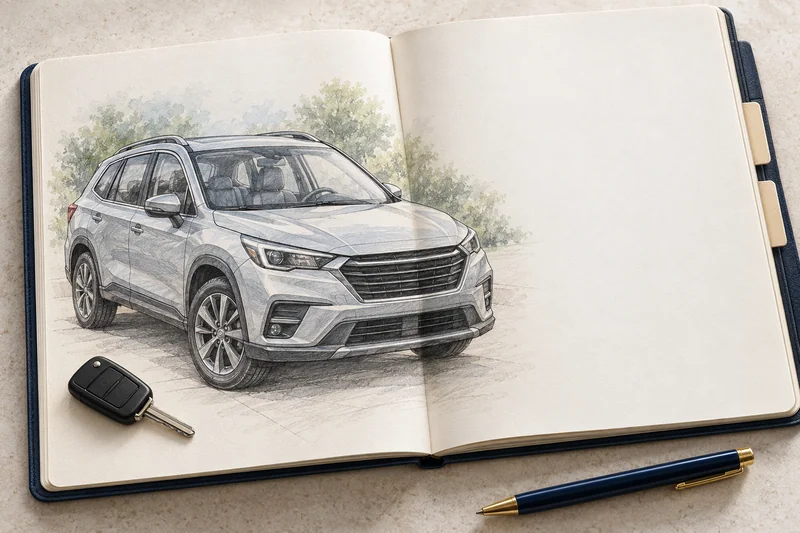
Quotes from multiple insurance companies. Guidance for clients across Indiana. Available options depend on your needs and the insurer’s requirements.
Understand the building blocks
Use these topics to guide a review. Available products, limits, endorsements, and eligibility depend on the insurer and your situation.
Helps address covered injuries or property damage you cause to others, up to the applicable limits.
Addresses covered damage to your vehicle from a collision, generally subject to a deductible.
Addresses certain non-collision losses such as theft, hail, or fire, depending on the policy.
Review protection when another driver has no insurance or insufficient coverage. Indiana requires uninsured and underinsured motorist coverage in newly written auto liability policies unless rejected in writing.
Can address eligible medical expenses for you and usually your passengers, subject to limits. It is a separate coverage discussion from liability.
Ask about rental reimbursement, roadside assistance, and any other options available for your policy.
 Look at the details
A serious accident may create costs beyond a minimum-limit policy. Review the limits you carry alongside your assets, household responsibilities, and ability to absorb a loss. Compare the coverage you would rely on after an accident alongside the premium.
Talk it through with the agencyPut the policy in context
These hypothetical examples show what to ask. They do not determine whether a claim would be covered.
Tell the agency about household drivers and regular vehicle use. Ask how the driver should be listed and how liability limits, vehicle-damage coverage, and any available discounts fit the updated situation.
What needs to change before the new driver begins using the car?
Comprehensive and collision address different kinds of vehicle damage. Hail generally belongs in the comprehensive discussion; confirm that coverage is selected and review its deductible and settlement terms.
Do I carry comprehensive on this vehicle, and what would I pay myself?

A personal policy may have restrictions on business, delivery, or ride-share use. Describe the actual activity before assuming that an app or employer supplies all the protection you need.
Does this use require a different policy or an available endorsement?
Make the conversation count
You don’t need to arrive with every answer. These details can help the agency understand where you are starting.

Current policy and renewal date
Vehicles, household drivers, and how each vehicle is used
Loan or lease requirements and questions about deductibles
Use the agency’s requested secure process for sensitive application information. Please do not email Social Security numbers or medical records.
A little clarity before we talk
Understand the details before you decide.
The Indiana BMV describes minimum liability limits of $25,000 for one person’s bodily injury or death, $50,000 for bodily injury or death of two or more people in one accident, and $25,000 for property damage in one accident. These limits do not cover every possible expense or replace a needs review.
Indiana BMV insurance requirements (opens in a new tab)No. Collision generally addresses damage to your car from a collision. Comprehensive generally addresses specified losses from causes such as theft, weather, or fire. Deductibles and exclusions still apply.
Tell the agency about the new driver, vehicles, and expected use. Ask how the driver should be listed, which limits to review, and whether any driver-training or other discounts are available.
Discuss available deductible choices and what each would mean for the premium and your out-of-pocket cost. Choose an amount you could reasonably handle after a covered loss.
See the bigger picture
Your next question may connect to another part of your coverage.

Start with what it would take to rebuild.
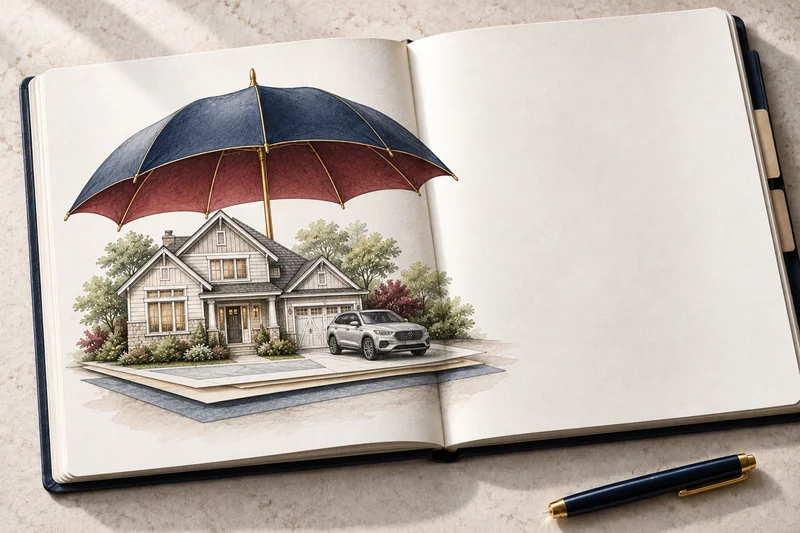
Think about how your policies work together.
Based in Carmel. Serving all of Indiana.
Bring your current policies and your questions. We’ll help compare available quotes from multiple insurance companies and put the details in context.