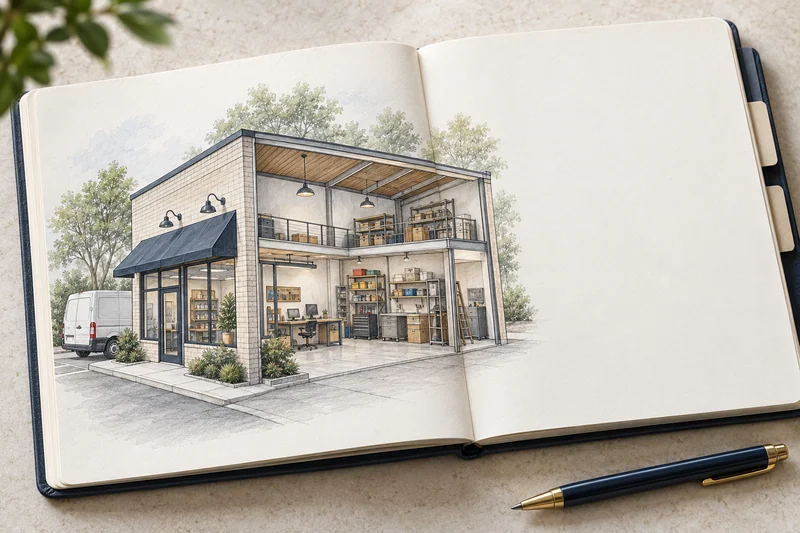
Building coverage
Protection for eligible flood damage to the insured building and specified components, subject to policy terms.

Flood insurance · Serving Indiana statewide
Standard home insurance typically excludes flood damage. Let’s look at the separate questions that rising water can raise for your property, belongings, or business.
Built around your real life
Flood risk is worth discussing even when a lender does not require coverage. Where water comes from, what property is affected, and when a policy takes effect all matter. A separate review helps you understand the options before a loss.

Quotes from multiple insurance companies. Guidance for clients across Indiana. Available options depend on your needs and the insurer’s requirements.
Understand the building blocks
Use these topics to guide a review. Available products, limits, endorsements, and eligibility depend on the insurer and your situation.
Protection for eligible flood damage to the insured building and specified components, subject to policy terms.
Separate protection for eligible belongings or business contents. Building coverage does not automatically answer every contents question.
Understand the maximum payable amounts, separate deductibles, and how losses are valued.
Flood policies can limit coverage for basements and property kept there. Review the exact wording.
A property’s flood zone and financing can affect insurance requirements. Requirements and actual risk are different questions.
Commercial buildings, equipment, and inventory need a business-specific flood discussion.
Look at the details
Water entering from rising surface water is not the same question as water backing up through a drain or sump system. A water-backup endorsement should not be assumed to replace flood insurance, or vice versa.
Talk it through with the agencyFloodingRising surface water, such as runoff.
Water backupA drain, sewer, or sump-system backup.
A burst pipeWater escaping from damaged plumbing.
Different water sources raise different policy questions. Ask which terms, exclusions, endorsements, or separate coverage apply.
Put the policy in context
These hypothetical examples show what to ask. They do not determine whether a claim would be covered.
Flood insurance has important restrictions for basements and belongings below ground level. A separate policy does not mean every improvement or item in the room has the same protection.
What would this policy cover in my basement, and what would remain my responsibility?

A lending requirement and your own flood exposure are different questions. Review the property location, how water could reach it, and available coverage rather than treating the absence of a requirement as proof of no risk.
What protection is available for this building and its contents?

Flood policies can have waiting periods, with exceptions that depend on the program and transaction. Ask about the actual effective date before relying on a new policy for an approaching event.
When would coverage begin, and does any waiting-period exception apply?
Make the conversation count
You don’t need to arrive with every answer. These details can help the agency understand where you are starting.

Property address and whether you own, rent, or operate a business
Current property policy and any existing flood coverage
Building/contents needs, basement use, and lender notices
Use the agency’s requested secure process for sensitive application information. Please do not email Social Security numbers or medical records.
A little clarity before we talk
Understand the details before you decide.
Standard homeowners insurance typically excludes flood damage. Ask about separate flood insurance and how it applies to your building and contents.
Yes. A zone designation or lack of a lender requirement does not mean there is no flood risk. Consider your property and discuss available coverage.
Not always. NFIP policies generally have a 30-day waiting period, with exceptions. Private flood policies can have different rules. Confirm the actual effective date with the agency before relying on a new policy.
NFIP policies do not cover additional living expenses or business interruption. Other flood policies can differ. Ask specifically about those costs and which expenses would remain your responsibility.
Do not assume so. Flood policies can have significant restrictions for basements and items stored there. Ask specifically about the belongings and systems you want to protect.
See the bigger picture
Your next question may connect to another part of your coverage.
Based in Carmel. Serving all of Indiana.
Bring your current policies and your questions. We’ll help compare available quotes from multiple insurance companies and put the details in context.